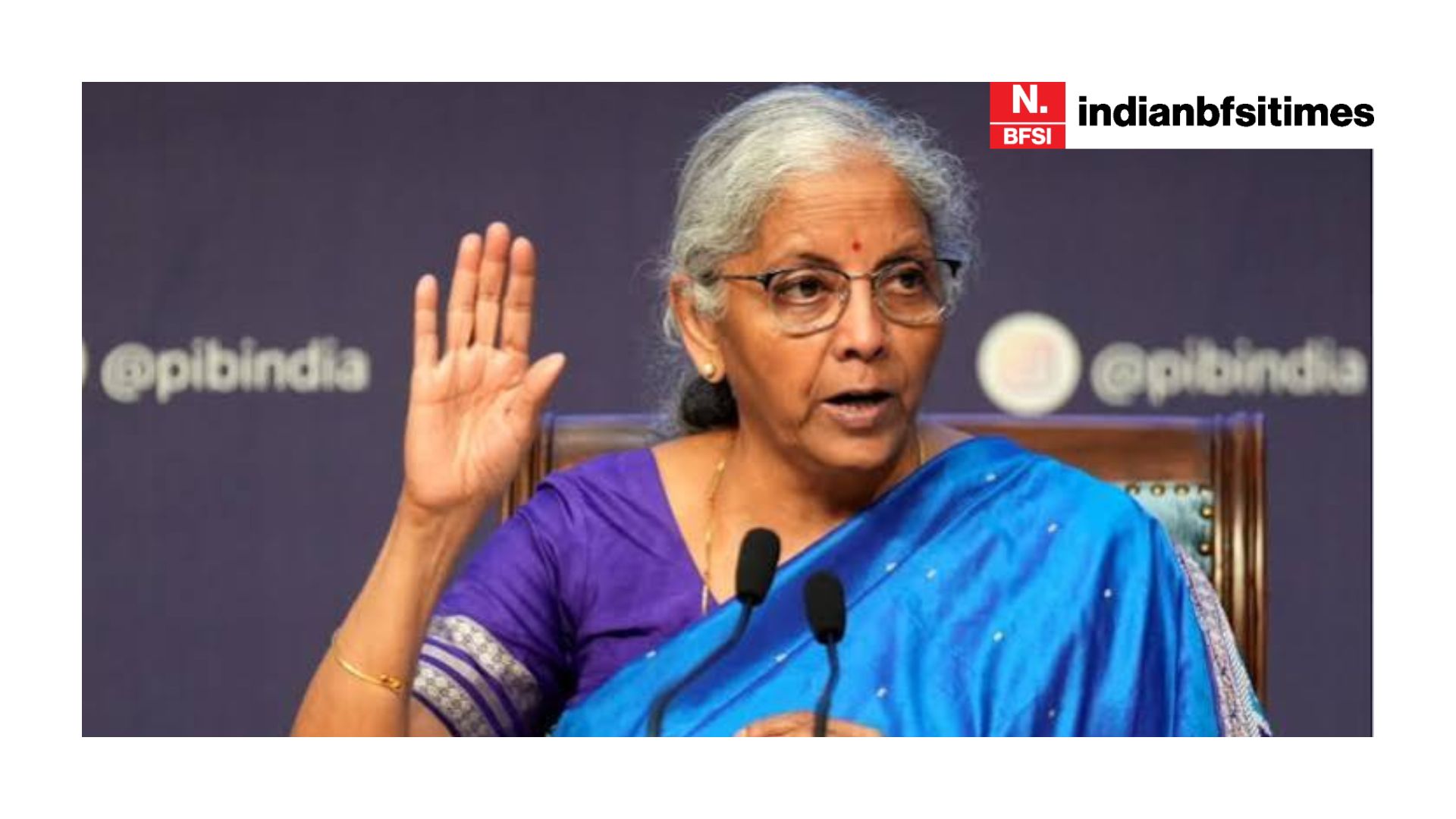
India’s Unified Payments Interface (UPI) has emerged as the world’s largest real-time payment system, processing nearly 80 crore transactions every day, Union Finance Minister Nirmala Sitharaman said on October 25. The platform now handles more than 2,400 crore transactions a month, highlighting the growing role of digital payments in the country’s financial ecosystem.
Sitharaman made the remarks in Bhubaneswar, Odisha, following the inauguration of the Reserve Bank of India’s (RBI) new data centre and Cybersecurity Training Institute by Prime Minister Narendra Modi. She said UPI transaction volumes had increased nearly 13,000-fold since the 2016–17 financial year, reflecting the rapid adoption of digital payments across India.
The growth of UPI has changed how individuals and businesses carry out everyday transactions, from person-to-person transfers to merchant payments and bill settlements. Its expanding use has also supported the development of a wider fintech ecosystem, with digital platforms increasingly facilitating access to financial products such as credit, insurance and investments.
The Finance Minister also highlighted the role of financial inclusion initiatives in bringing more people into the formal banking system. More than 59 crore accounts have been opened under the Pradhan Mantri Jan Dhan Yojana, while loans sanctioned under the Pradhan Mantri MUDRA Yojana have crossed ₹43 lakh crore across more than 60 crore loan accounts, according to figures shared by the minister. Women account for more than 65% of MUDRA scheme beneficiaries.
Alongside the expansion of digital payments, Sitharaman underscored the importance of reliable infrastructure in supporting the country’s financial systems. The newly inaugurated RBI data centre in Bhubaneswar will house critical payment infrastructure, including the Real Time Gross Settlement (RTGS) and National Electronic Funds Transfer (NEFT) systems.
RTGS and NEFT are key components of India’s banking infrastructure, facilitating electronic fund transfers between accounts. The new facility is expected to strengthen the resilience of these systems and support the continuity of financial services as digital transactions increase.
The campus also houses a Cybersecurity Training Institute with a dedicated research wing. The institute will focus on building expertise in cybersecurity, artificial intelligence and data centre technologies, helping develop specialised capabilities within the financial sector.
Sitharaman described data centres as the “vault of the digital age”, highlighting their importance in protecting financial information and ensuring the reliable functioning of digital services. The RBI’s investment in infrastructure and cybersecurity comes as banks, payment platforms and financial institutions become increasingly dependent on technology.
The government has also introduced measures to encourage investment in data centre infrastructure. Data centres received infrastructure status in 2022, while the Union Budget 2026–27 announced a tax holiday for foreign companies providing global cloud services from data centres located in India.
The new campus is part of the government’s broader focus on strengthening digital infrastructure and supporting regional development under the Purvodaya vision for eastern India.
With UPI continuing to expand its reach, the combination of digital payment adoption, financial inclusion and investments in secure infrastructure is becoming increasingly important to India’s financial services sector. Maintaining the reliability and security of the systems supporting these transactions will remain a key priority as digital payments become more deeply integrated into everyday economic activity.