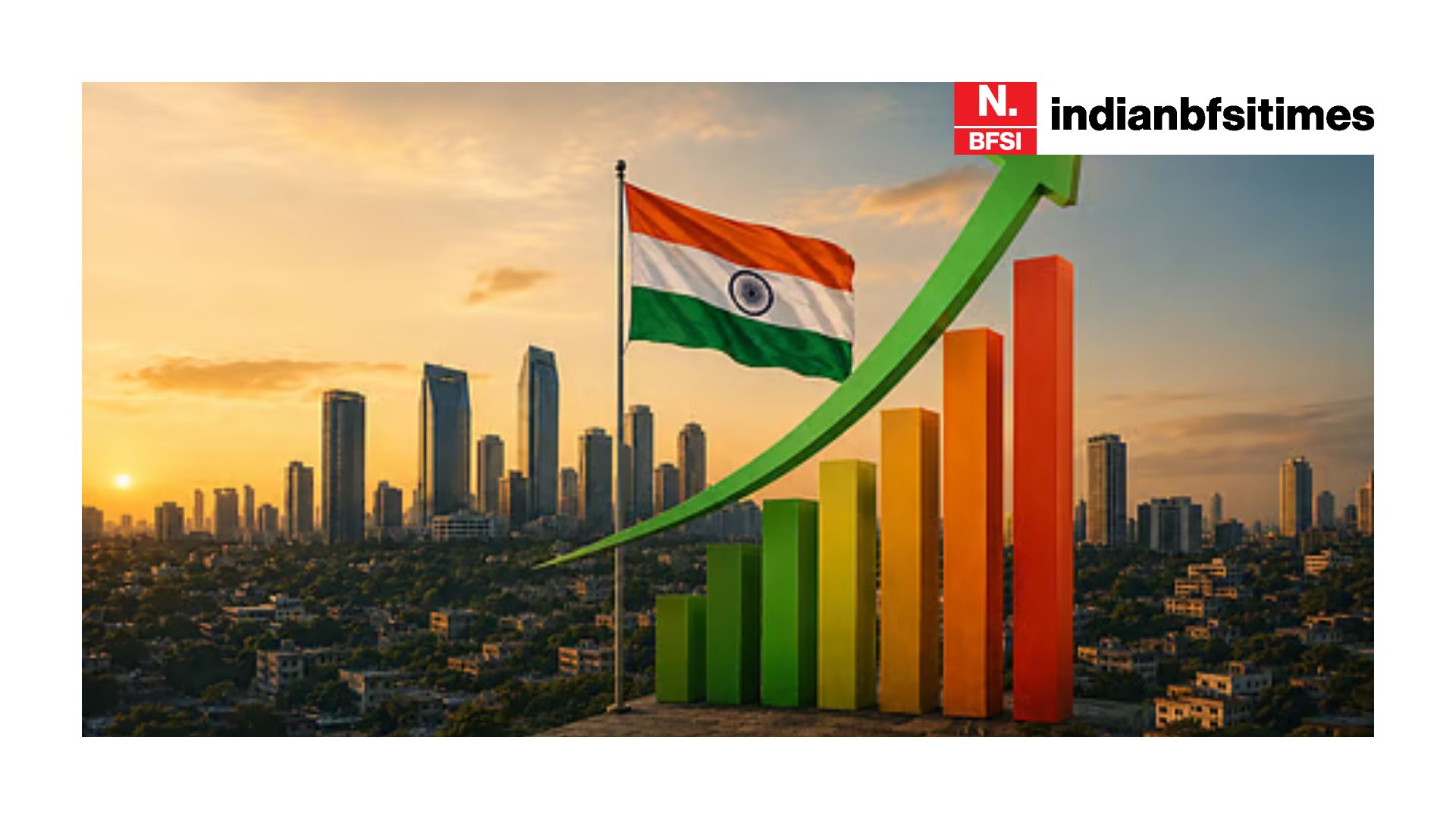
India’s private credit market will need to expand significantly over the next two decades to support the country’s ambition of becoming a $30 trillion economy by 2047. The market, currently estimated at around $4 trillion, would need to grow to approximately $45 trillion, requiring an annual growth rate of 12.2% in dollar terms.
Expanding access to formal credit is expected to play a crucial role in this transition, particularly as individuals, small businesses and underserved communities seek greater access to financing.
Millions Remain Outside the Formal Credit System
Despite the expansion of digital financial services, a large section of India’s credit-eligible population continues to remain outside formal borrowing channels. Only 28% of the country’s 89 crore credit-eligible adults currently borrow, leaving approximately 60 crore potential borrowers with limited or no formal credit history.
Micro, small and medium enterprises (MSMEs) also face challenges in accessing institutional finance. Limited financial documentation, gaps in business information and lengthy loan approval processes can make it difficult for lenders to assess borrowers, particularly smaller businesses and first-time applicants.
Addressing these barriers will be important to ensure that credit growth reaches a wider section of the economy.
Digital Fraud and Risk Assessment Remain Key Challenges
As lending increasingly moves towards digital channels, financial institutions face growing challenges in identifying fraudulent transactions, synthetic identities and suspicious accounts.
India recorded an estimated ₹22,495 crore in losses across 28.15 lakh cybercrime complaints in 2025. Investment-related scams accounted for a substantial share of the reported losses, underlining the importance of stronger fraud detection and risk management systems.
For lenders, the challenge will be to expand access to credit while maintaining responsible lending practices and protecting customers from financial fraud.
AI Could Help Expand Credit Access
Artificial intelligence and alternative data are emerging as potential tools to improve credit assessment and financial services delivery. By analysing consent-based financial information, bank statements, business records and other relevant indicators, lenders could develop a more comprehensive understanding of borrowers who lack extensive credit histories.
AI-powered systems could also help automate document verification, streamline due diligence and identify suspicious activity in real time. These capabilities may improve lending efficiency while helping financial institutions manage risk.
For younger consumers entering the credit market, alternative assessment methods could offer new pathways to formal borrowing. Gen Z accounts for a significant share of new-to-credit card customers, although credit penetration among this demographic remains relatively low.
Rural India Presents a Significant Opportunity
Rural and semi-urban communities are another important segment for credit expansion. However, limited digital connectivity, continued dependence on feature phones and gaps in financial awareness can restrict access to formal financial services.
Voice-based services in regional languages could help bridge some of these gaps by simplifying loan applications, identity verification, repayment processes and customer support. Such solutions could make financial services more accessible to consumers who face barriers to using conventional digital platforms.
Balancing Credit Growth with Financial Trust
India’s ability to build a larger credit market will depend on more than increasing lending volumes. Improving borrower assessment, strengthening digital safeguards and simplifying access to formal finance will be equally important.
As the country works towards its 2047 economic ambitions, the expansion of private credit could support business growth, household financial participation and broader economic development. Achieving this potential will require lenders to balance wider access with sound underwriting, reliable risk assessment and stronger protection against financial fraud.